
Smart Irrigation Tips to Protect Your Landscape During Summer in Montgomery County, TX
Summer in Montgomery County brings plenty of sunshine, but it also brings long stretches of heat that can put significant stress on your landscape. When temperatures climb, many homeowners assume the solution is simply watering more. In reality, too much water can be just as damaging as too little.
A healthy landscape relies on smart irrigation. By watering efficiently, maintaining your irrigation system, and choosing plants suited to our climate, you can help your lawn, trees, and flower beds stay healthy while conserving water throughout the hottest months of the year.
Why Smart Irrigation Matters During Texas Summers
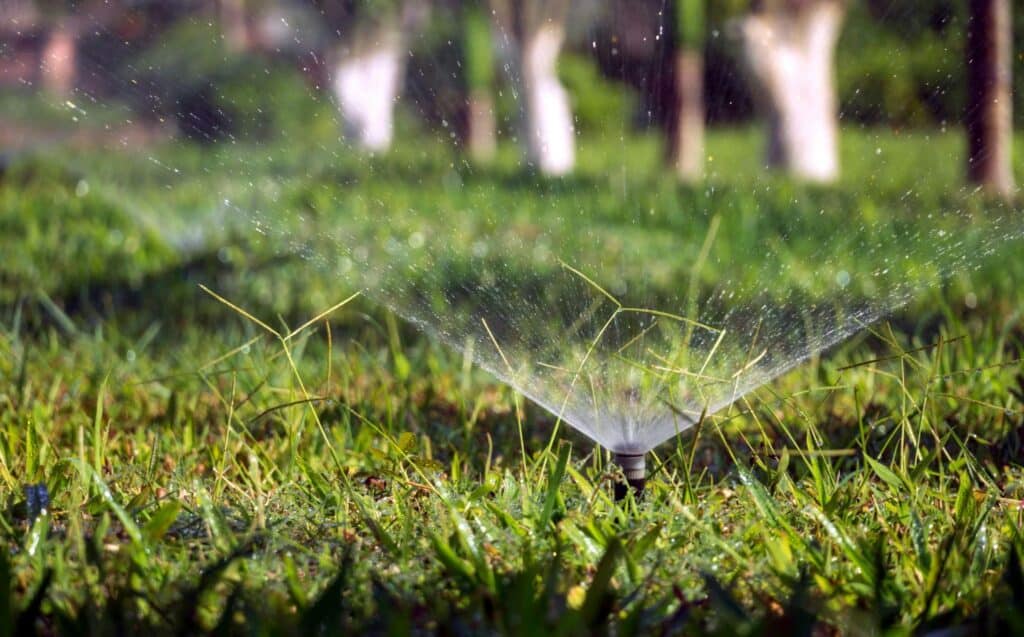
Texas summers bring intense heat, strong sun, and periods of limited rainfall that can quickly stress even well-established landscapes. While it may seem like watering more is the solution, overwatering can be just as harmful as underwatering. Too much water can lead to shallow root systems, fungal diseases, standing water, and unnecessary waste, while too little leaves lawns brown, shrubs wilted, and plants struggling to survive.
In fact, many of the common landscaping problems homeowners face during Texas summers can be traced back to improper watering practices, poor drainage, or landscapes that aren’t designed for our climate.
The goal isn’t simply to water more. It’s water smarter.
Summer Irrigation Tips for Conroe and Surrounding Areas
Inspect Your Current Irrigation System
Before increasing your watering schedule, make sure your irrigation system is operating efficiently.
Walk your yard occasionally while your sprinklers are running and look for common issues such as:
- Broken sprinkler heads
- Leaking valves or pipes
- Clogged nozzles
- Uneven spray patterns
- Overspray onto driveways and sidewalks
- Areas that receive too much or too little water
Even small problems can waste hundreds of gallons of water over time while leaving portions of your landscape dry or oversaturated.
Routine inspections and maintenance help your irrigation system perform as intended while protecting your investment. If you’d like to learn more about how irrigation systems contribute to healthier landscapes, be sure to read our blog on smart irrigation, Texas heat, and landscape design.
Upgrade Your Irrigation System (If Needed)
If your irrigation system is older or outdated, upgrading can significantly improve efficiency.
Modern irrigation technology offers features that weren’t available just a few years ago, including weather-based controllers, rain sensors, drip irrigation, and properly zoned watering systems. These upgrades help deliver the right amount of water to different areas of your landscape without wasting water on sidewalks, driveways, or plants that require less irrigation.
A properly designed irrigation system delivers water where it’s needed most, helping plants develop stronger root systems while reducing runoff, evaporation, and water waste. It also saves time by automatically adjusting watering schedules based on changing weather conditions. If you’re considering an upgrade, learn more about why a smart irrigation system makes sense for so many local homeowners and how today’s technology can help protect your landscape while conserving water.
When You Water Your Yard Matters
When you water your landscape matters just as much as how much you water.
The best time to irrigate is early in the morning before temperatures begin to rise. During these cooler hours, less water is lost to evaporation, allowing moisture to soak deeper into the soil where plant roots can access it.
Morning watering also gives leaves plenty of time to dry throughout the day, reducing the likelihood of certain fungal diseases that thrive in damp conditions.
Avoid watering during the hottest part of the afternoon whenever possible, as much of the water can evaporate before it ever reaches the roots.
If you live in the city of Conroe, when you water your lawn matters even more. The City’s water conservation guidelines encourage residents to irrigate during the early morning hours on certain days of the week. Watering at the right time not only helps your landscape make better use of every gallon, but it also supports community-wide water conservation efforts by reducing unnecessary evaporation and water waste.
Adjust Your Watering Schedule Throughout the Season
Rainfall, humidity, cloud cover, and changing temperatures all influence how much supplemental watering your landscape actually needs. Continuing to run your irrigation system on the same schedule after several inches of rainfall can waste water while creating unhealthy growing conditions. Making small adjustments throughout the summer can improve plant health while reducing unnecessary water use.
The City of Conroe provides a Weekly Watering Advice resource that recommends how much supplemental irrigation lawns throughout the city need based on current weather conditions. It’s a great tool for homeowners looking to make informed watering decisions rather than relying on guesswork.
Choose Plants That Thrive in Our Climate
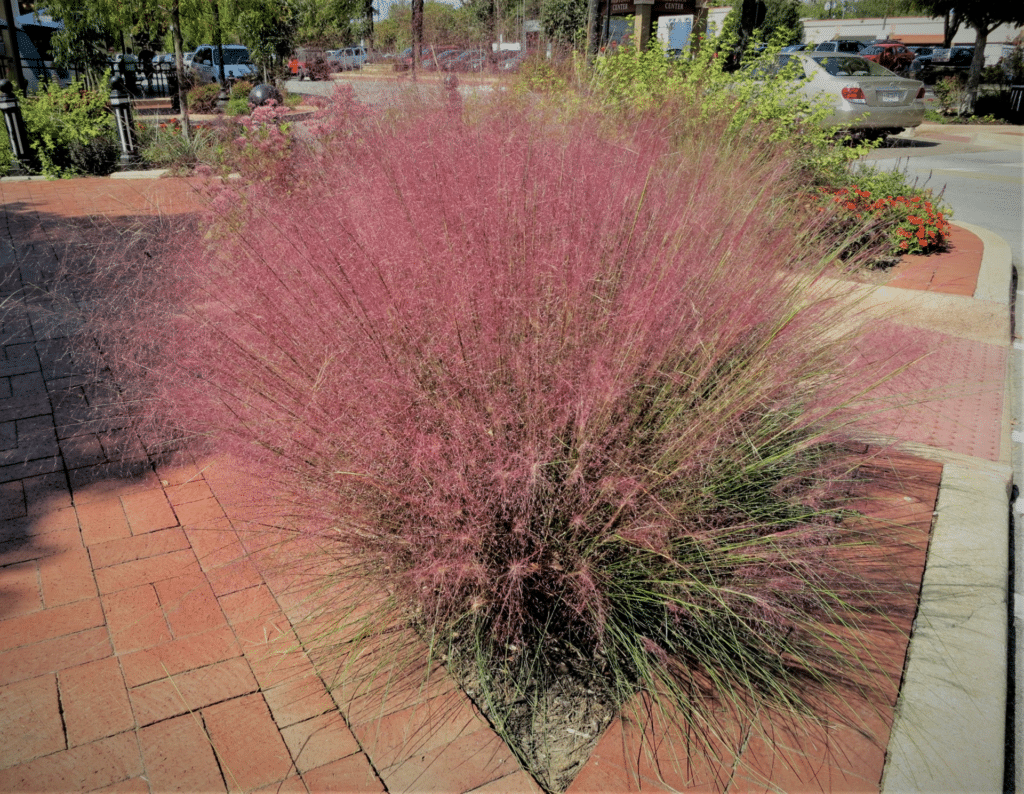
Credit: AgriLife Today
One of the smartest ways to reduce irrigation needs is to choose plants naturally suited to Southeast Texas.
Many drought-tolerant and heat-tolerant plants require less supplemental watering once established while continuing to provide beautiful color and texture throughout the landscape. Native and climate-adapted plants also tend to be more resilient during periods of extreme heat.
If you’re planning a landscape update, take a look at our guide to heat-tolerant plants for full sun landscaping for ideas that can help reduce maintenance and improve long-term landscape performance.
Pay Attention to Drainage
Irrigation and drainage go hand in hand.
Even the most efficient irrigation system can’t compensate for poor drainage. Water that pools around foundations, collects in planting beds, or sits on lawns for extended periods can damage plants, contribute to root rot, and create erosion issues.
Proper grading, drainage solutions, and strategically placed hardscape features help direct water where it’s needed while allowing excess water to move safely away from your home and landscape.
Addressing drainage concerns early not only protects your plants but also helps maximize the effectiveness of your irrigation system.
Smart Landscape Design Makes Irrigation More Effective
A well-designed irrigation system works best when it’s part of a thoughtfully planned landscape. At C4 Landscape & Design, we create custom residential landscapes that make watering your yard simpler, more efficient, and better suited to Montgomery County’s climate.
By considering irrigation, drainage, grading, plant selection, and sun exposure from the start, we create outdoor spaces that are both beautiful and easier to maintain. We also incorporate low maintenance landscaping and custom hardscapes to help improve drainage, reduce water demands, and create functional outdoor living spaces that thrive through Texas summers.
When every element of your landscape works together, you’ll enjoy a healthier, more attractive yard that requires less maintenance and uses water more efficiently.
Invest in a Landscape Designed for Texas with C4 Landscape & Design
A healthy landscape starts with more than smart irrigation. Proper drainage, climate-appropriate plants, and thoughtful landscape design all play a role in creating an outdoor space that’s beautiful, water-efficient, and easier to maintain.
At C4 Landscape & Design, we design and install custom residential landscapes built to thrive in the Texas climate. Whether you’re upgrading your irrigation system or planning a complete landscape renovation, our team is here to help. Contact us today to schedule a consultation.