
Why Is My Landscaping Dying? Common Problems in Montgomery County Landscapes
Brown leaves, wilting shrubs, patchy grass, and plants that just won’t grow. If your landscaping isn’t looking the way it should, figuring out what’s going wrong can be frustrating.
And while it’s easy to assume your plants simply need more water, the problem isn’t always that straightforward.
Here in Montgomery County, TX, intense summer heat, heavy rainfall, varying soil conditions, and improper plant placement can all take a toll on your landscape. In many cases, the problem goes beyond individual plants and comes down to how the landscape was originally designed.
Before you start replacing plants or making changes to your yard, it’s important to understand what’s causing the problem. Let’s look at some of the most common landscaping problems in Montgomery County and what it takes to create a healthier, longer-lasting landscape.
Most Common Landscaping Problems in Texas
1. Improper Watering

When plants start wilting or turning brown, most homeowners assume they aren’t getting enough water. Sometimes that’s true, but overwatering can cause similar symptoms.
Too much water can prevent oxygen from reaching plant roots, eventually leading to root damage and rot. Too little water leaves plants unable to absorb the moisture they need to survive.
Signs of watering problems include:
- Yellowing leaves or wilting despite wet soil
- Brown, dry, or crispy leaf edges
- Consistently soggy planting beds
- Uneven growth or patches of dying plants
The solution starts with understanding your soil conditions, plant requirements, and irrigation coverage rather than simply increasing your watering schedule.
A properly designed irrigation system can help distribute water more consistently while adjusting to changing conditions. Learn more about why a smart irrigation system makes sense for Montgomery County homeowners.
2. Soil Conditions Can Cause Plants to Die in Montgomery County
Healthy landscaping starts below the surface.
Soil conditions vary throughout Montgomery County. Some properties have dense clay soils that retain moisture and drain slowly, while others have sandier soils that dry out much faster. Compacted soil can also make it difficult for roots to spread, absorb nutrients, and access oxygen.
Sometimes, adding organic matter can improve soil structure by loosening heavy clay and helping sandy soils retain moisture. However, soil amendments aren’t always enough to correct larger problems.
If plants repeatedly fail in the same areas of your yard, it’s worth evaluating the soil, drainage, and planting conditions before investing in replacements. Professional landscape design considers these factors from the beginning, helping ensure plants have the right environment to establish healthy roots and grow.
3. Poor Drainage
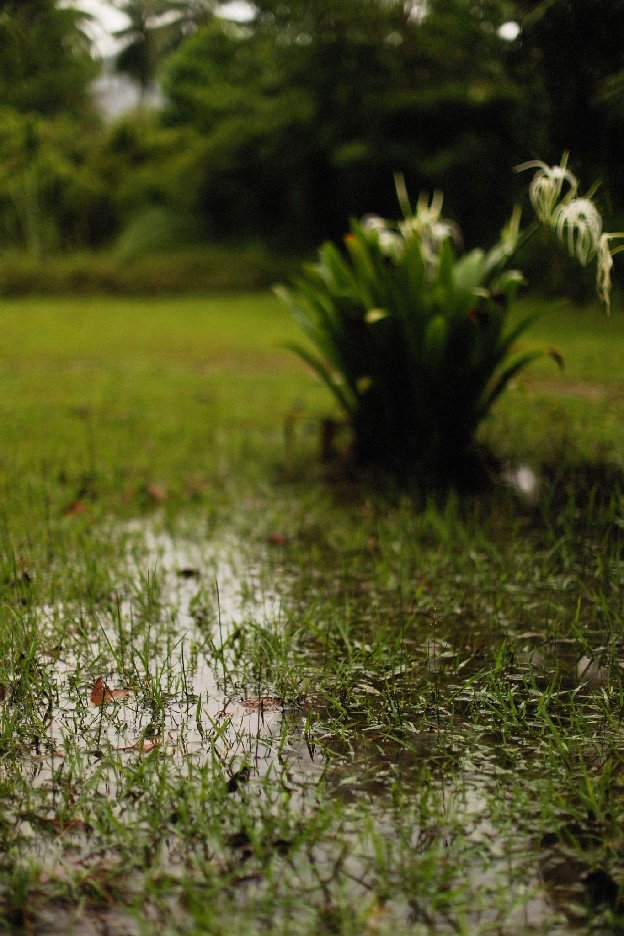
Does water collect in your flower beds after heavy rain? Do certain areas of your yard stay wet long after the rest has dried?
Poor drainage is another common reason landscaping struggles in Montgomery County.
When water has nowhere to go, it can saturate the soil around plant roots, increasing the risk of root rot and other problems. Standing water and erosion can also damage planting beds and surrounding landscape features.
Depending on your property, solutions may include adjusting the grading, installing drainage systems, or incorporating retaining walls, rock features, and other hardscapes as part of a larger drainage plan.
The important thing is addressing the underlying issue rather than repeatedly replacing damaged plants. Our guide on how to fix drainage problems in your yard walks through the most common solutions for Montgomery County homes.
4. Choosing the Wrong Landscape Plants for Montgomery County, TX
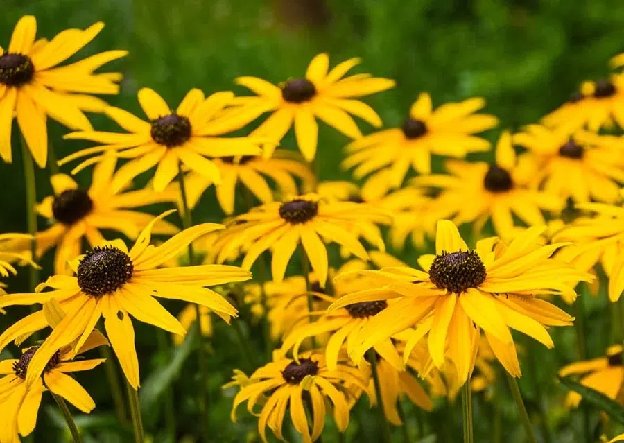
Not every plant that looks good at the nursery will perform well in your yard.
Some plants need full sun, while others require protection from intense afternoon heat. Others may tolerate high temperatures but struggle in poorly drained soil.
Even different areas of the same property can have completely different growing conditions. A planting bed along the west side of your home may receive hours of direct afternoon sunlight, while an area beneath mature trees may stay shaded for most of the day.
Placing plants without considering these conditions can lead to scorched leaves, weak growth, excessive watering requirements, and plants that never fully establish.
Choosing plants suited to the Texas climate is one way to reduce these problems. Our guide to water-wise landscaping and drought-tolerant solutions that work in Texas explains how thoughtful plant selection can create attractive landscapes with more manageable watering needs.
Sometimes, the solution isn’t simply replacing struggling plants but rethinking the landscape altogether. Upgrading planting beds, incorporating decorative rock or hardscape features, and choosing plants better suited to your property can create a more attractive, low-maintenance landscape that requires less upkeep over time.
5. Pests, Diseases, and Nutrient Problems May Be Damaging Your Landscape
Sometimes, the problem isn’t immediately visible.
Insects, fungal diseases, and nutrient deficiencies can all affect plant health, and their symptoms often overlap with watering or soil problems.
You may notice spotted leaves, unusual discoloration, damaged foliage, or sections of grass that continue declining despite regular care.
For example, Texas A&M AgriLife identifies take-all root rot as a disease that can affect common Texas turfgrasses, including St. Augustinegrass and bermudagrass.
However, brown patches or yellowing leaves don’t automatically mean your landscaping has a disease or needs fertilizer. Identifying the actual cause before applying treatments or replacing plants can save you from spending money on solutions that won’t address the problem.
6. Poor Landscape Design Can Create Problems That Keep Coming Back
Sometimes, individual plants aren’t the real issue. It’s the way the landscape was originally planned.
If your property has recurring problems with dying plants, uneven irrigation, drainage, or areas that require constant attention, those issues may be connected.
A planting bed might be located where water naturally collects. Shrubs may be crowded together without enough room to mature, or plants with completely different watering needs may share the same irrigation zone.
These are problems that routine maintenance alone won’t necessarily fix.
At C4 Landscape & Design, we approach landscaping with the entire property in mind. Plant selection, irrigation, drainage, soil conditions, and hardscape features should all work together to create an outdoor space that looks good and functions properly.
If you’re constantly replacing plants or trying to correct the same issues year after year, it may be time to consider a more comprehensive landscape redesign.
Choosing the right professional matters, too. Our guide on how to choose the right landscape designer in Montgomery County, TX explains what homeowners should look for before starting a project.
How to Prevent Common Landscaping Problems in Montgomery County, TX
Preventing recurring landscaping problems starts with understanding your property’s conditions and making improvements that address them.
Before replacing struggling plants, pay attention to where problems occur. Are certain areas consistently too wet, too dry, or difficult to maintain? Identifying these patterns can help determine whether your landscape needs better irrigation, drainage improvements, or a more comprehensive redesign.
If you’re considering a larger renovation, fall can be a good time to evaluate your yard and plan improvements. Learn more about why fall works for landscape projects in Montgomery County.
Beyond improving plant health, thoughtful landscape upgrades can enhance curb appeal, improve outdoor functionality, and potentially increase your property’s value. Explore our guide to landscaping upgrades that can increase home value.
Tired of Dying Plants? Upgrade Your Montgomery County Landscaping
If your landscaping continues to struggle despite your best efforts, it may be time for more than another round of replacement plants. A professionally designed landscape can address underlying problems while creating an outdoor space that’s more attractive, functional, and easier to maintain.
At C4 Landscape & Design, we specialize in custom landscape design and installation for homeowners throughout Montgomery County, TX. Whether you’re looking to refresh outdated planting beds, improve drainage, incorporate new hardscape features, or completely transform your yard, we’ll help you create a landscape designed around your property and your goals.
Ready to handle your landscaping problems? Contact C4 Landscape & Design to discuss your project in Conroe, Montgomery, Magnolia, The Woodlands, Willis, or the surrounding areas.